RED CLIFFS |
ABOUT |
HOME
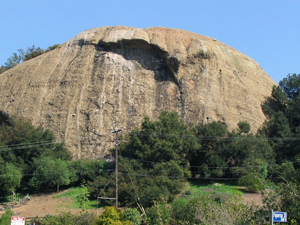 The Red Cliffs Series came about from noticing that landscape features: rock outcroppings, buttes, mountains and even grand trees are often named for whatever figures they evoke. In the red rock areas of the Four Corners states every landscape feature has a name: ships, cathedrals, lions, elephants, sleeping indians, maidens, etc and they take on the status of great or minor landmarks. These features are constructed, grown, evolved, eroded by a system of natural forces: entropy, water, wind, gravity and chance. these forces create the figures that people are most capable of recognizing and most apt to name. often they take on secondary figures from other angles or lighting conditions that are rarely named. These are often more complex and are left to the viewers imagination.
A study by Jennifer Whitson has shown that our ability [or possibly our receptivity] to see these kind of things is dependant on our feeling of being in control of our lives. “In short, people who felt that the world was beyond their control became so hungry for patterns and connections that their minds started just making them up.” That sounds like they are a little crazy and that’s partly right. From reading the article on NPR about her study it sounds more like the ability to correctly perceive these kinds of features requires that the human is able to surrender to open our ability to recognize those kinds of things. This is a practice that is as old as man: the desire to anthropomorphize our environment from cave paintings and constellations to landmarks on the terrain. Whitson contends that a short counseling session to reassure the subject of their self worth drains them of their ability or need to recognize unfamiliar figures and obscure patterns. It could be that personal feelings of control, powerfulness, a certain level of grandiosity may disconnect us from this awareness but make us able to quickly recognize the familiar. 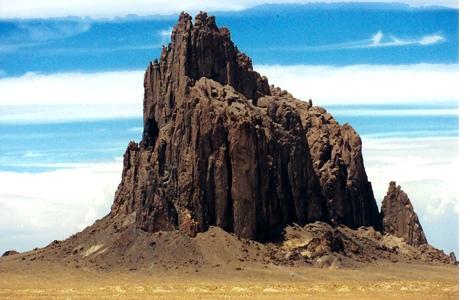 This may make us oblivious to what is really there and decouple our awareness from some of the richness of our visual experience. Surrender and humble openness to our visual environment allow us to be aware of these complex patterns and figures. Powerlessness and insecurity are just aspects of surrender that rather than allowing us to see things that aren’t there they help us apprehend what is really there.
To experience the sublime nature and the random and inexplicable density of visual experience, requires surrender, suspension of judgment, ability to gaze at the work -object- without preconceptions and without allowing our own corny ideas or ideals to imprint on it. Gaze without judgment, this is a meditation, an opportunity for a personal invention safari, concrete may have been poured but not set. Still in flux you can see it but not see it -the images appear to be instinctual. Going back to Turner this is partly what one branch of painting has been about. Practiced recently by Francis, Still, Frankenthaller, Louis, Hoffman, Poons, Pollock, Steir, Altoon, Sorenson, Moses, Arnoldi and of course Chinese calligraphers, etc.